Fatty liver has a way of sneaking up on people. You feel fine, your routine looks normal, and then a scan or blood test says otherwise. Sugary drinks, packaged snacks, and fried takeaways have become part of daily life, and the liver quietly pays the price. The good news is that food is one of the easiest things to change. This guide covers the foods to avoid for fatty liver, what to eat instead, and a few habits that help.
What Is Fatty Liver Disease?
Fatty liver disease means too much fat has built up inside your liver cells. A little fat is normal, but too much can cause inflammation and, over time, damage. Doctors now use the term MASLD, short for metabolic dysfunction-associated steatotic liver disease, for the type linked to metabolic health.
Common fatty liver causes include obesity, type 2 diabetes, and insulin resistance. Poor eating habits and a lack of movement make things worse. Many people notice nothing in the early stages, which is why it so often goes undiagnosed. Even without alcohol in the picture, some everyday habits can quietly damage your liver.
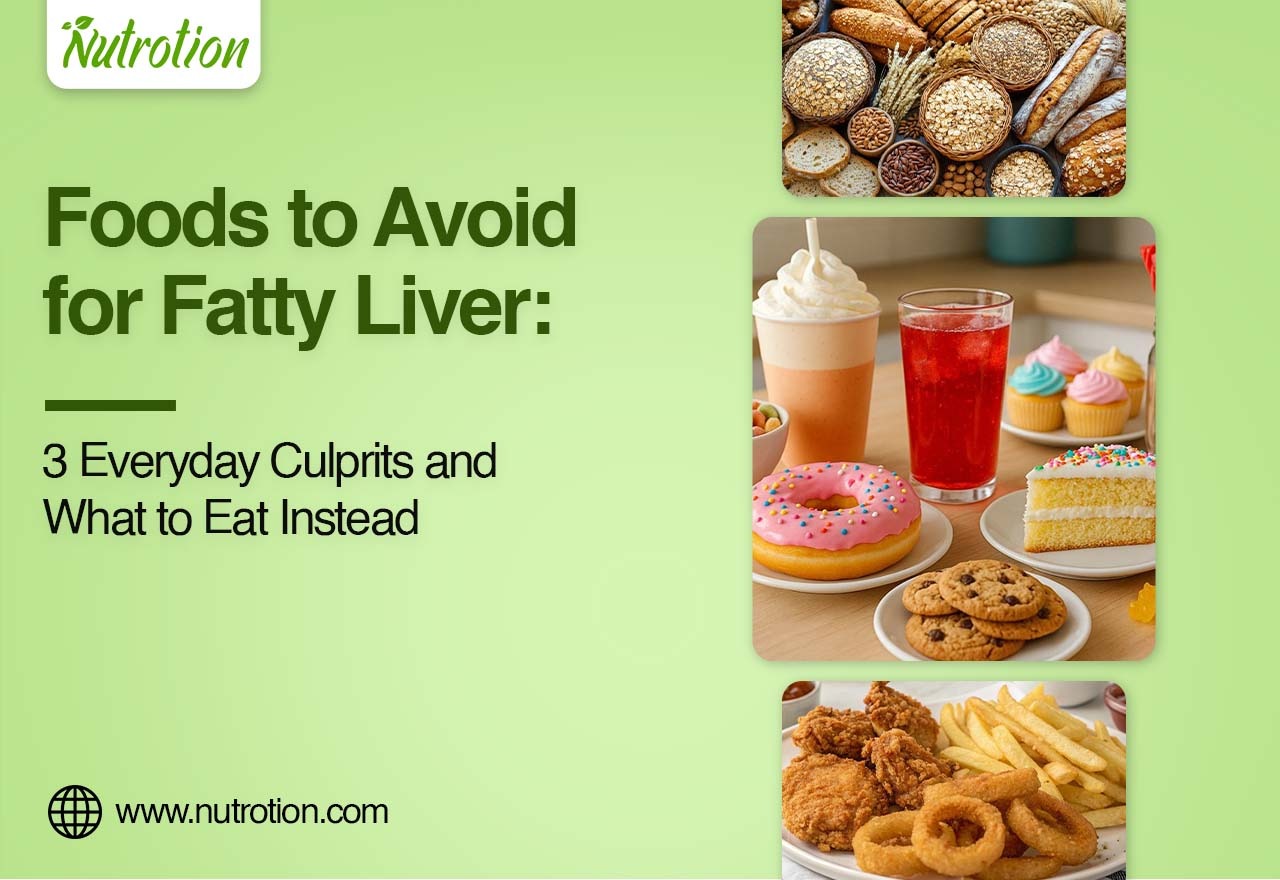
Foods to Avoid for Fatty Liver: 3 Common Culprits
First, a reality check. Nobody has to give these up forever, and a slice of cake at a wedding won’t ruin your liver. These foods to avoid for fatty liver are really foods to limit. What matters is how often you eat them and how much.
- Sugary Foods and Sweetened Drinks
Soft drinks, packaged juices, and energy drinks lead the list of foods that cause fatty liver. Cakes, pastries, biscuits, and sweets follow close behind. The problem is added sugar, especially fructose. When you take in more than your body needs, the liver can turn the extra into fat and store it there. Curious whether you’re overdoing it? Here are the warning signs of eating too much sugar.
Liquid sugar is the sneakiest kind, because a sweet drink barely makes you feel full. A simple start is swapping one sweet drink a day for water or plain buttermilk.
- Refined Carbohydrates and Processed Foods
White bread, refined flour products, and packaged snacks digest quickly and can push blood sugar up fast. Instant noodles, chips, and ready-made meals sit in the same group. Eating lots of refined carbs and extra calories day after day can wear down your metabolic health, and metabolic trouble and fatty liver often go together.
Processed foods are also easy to eat quickly and easy to overdo. Choosing whole grains more often is a gentle way to cut back.
- Fried Foods and Foods High in Unhealthy Fats
French fries, fried snacks, and fast food are easy to love and easy to overeat. Processed meats and fatty meat products often add saturated and trans fats on top. Eaten often, they can lead to weight gain and the metabolic problems tied to fatty liver.
Frying also piles on calories quickly. If you can, bake or air-fry at home and save the deep-fried treats for special occasions.
What to Eat Instead: A Simple Diet for Fatty Liver
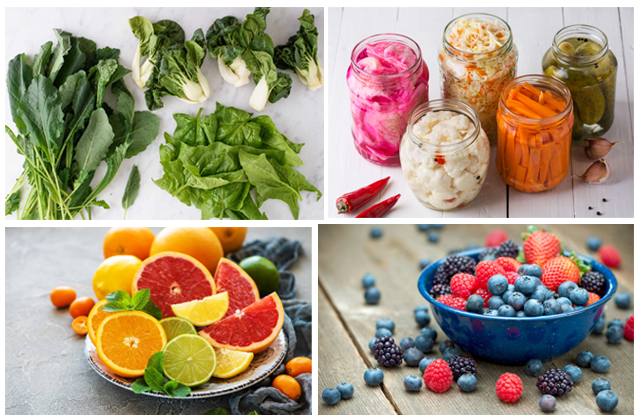
Now that you know the main foods that cause fatty liver, let’s talk about the plate. Trimming the foods to avoid for fatty liver only works if something good takes their place. Foods good for liver health include:
- Green leafy vegetables and other fresh vegetables
- Whole grains, oats, and brown rice
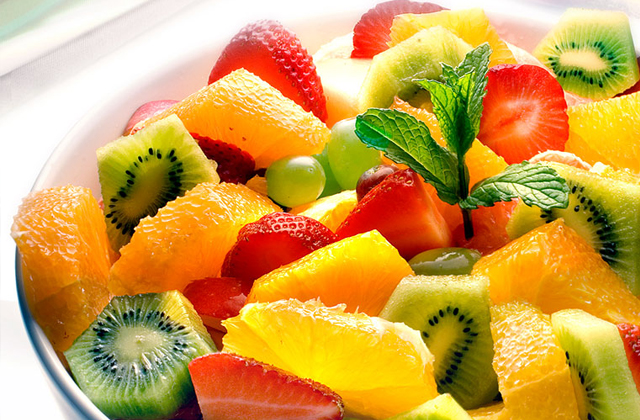
- Fresh whole fruits instead of packaged juices
- Lentils, beans, nuts, and seeds
- Fish and other lean protein
- Healthy fats, in moderate amounts
Think oats with fruit for breakfast, and dal with vegetables and a small portion of brown rice for dinner. Keep a handful of nuts nearby instead of a packet of chips. Not sure which veggies to start with? Take a look at the best vegetables for your liver. Make one swap at a time, because small changes stick better than big overhauls.
5 Lifestyle Changes That Support Fatty Liver Prevention
Alongside cutting the foods to avoid for fatty liver, these liver health tips make a real difference:
- Maintain a healthy weight. Gradual weight loss helps if you’re carrying extra.
- Move regularly. A brisk walk most days is a great place to start.
- Cut back on added sugar and processed food. Read labels, since sugar hides in surprising places.
- Keep blood sugar and cholesterol in check. Regular tests show where you stand.
- Avoid alcohol, or ask your doctor what’s safe for you.
Can Fatty Liver Be Reversed Through Diet?
Often, yes, especially in the early stages. Trimming the foods to avoid for fatty liver, moving more, and losing weight gradually can all help the liver clear out excess fat. Crash diets are not the answer, since rapid weight loss can backfire. Managing diabetes and cholesterol matters too. Because every case is different, regular check-ups and medical advice are important.
When Should You Consult a Doctor?
Fatty liver often has no clear symptoms, so it may only show up on blood tests or imaging. Talk to a doctor if you have:
- Unexplained tiredness or abdominal discomfort
- Abnormal liver function test results
- Diabetes, obesity, or high cholesterol
Knowing your fatty liver causes, such as diabetes or obesity, helps your doctor decide how often you should be tested. It also helps to know the warning signs your liver may be in trouble, so you can act early.
Final Thoughts
You don’t need a perfect diet to look after your liver. Cut back on sugary drinks, refined carbs, and fried food, add more whole foods, and keep moving. Fatty liver prevention is far easier than treatment, so keep these liver health tips handy and start with one change this week.
FAQs
- What are the top 3 foods to avoid for fatty liver?
Sugary foods and drinks, refined carbs and processed foods, and fried or high-unhealthy-fat foods.
- Can eating too much sugar cause fatty liver?
It can contribute, since excess added sugar, especially fructose, can be turned into fat in the liver.
- Is rice safe to eat with fatty liver?
In moderate portions, yes. Brown rice is a better pick than white rice, especially with vegetables and protein.
- Which fruits are good for fatty liver?
Fresh whole fruits are a good choice. Eat them whole rather than as packaged juice.
- Can fatty liver be reversed naturally?
Early-stage fatty liver may improve with diet, exercise, and weight management. Ask your doctor to monitor your progress.