
You know that feeling after a greasy burger and fries: your brain turns to mush, and all you want to do is crawl onto the couch for a nap? Now think about how different you feel after a solid, real meal. Sharper. Lighter. More like yourself again. That’s not a coincidence, and it’s definitely not just about calories. It comes down to something bigger: the well-documented link between nutrition and mental health. To fuel your body right, check out our Complete Nutrition Guide before we dig into the mental health side of things.
What ends up on your plate genuinely shapes how you think, feel, and handle everyday stress. So let’s get into it: how nutrition and mental health are actually connected, which nutrients pull the most weight, and a few small, doable habits that can leave you feeling calmer and a lot clearer.
What Is the Real Connection Between Nutrition and Mental Health?
Here’s something most people never stop to think about: your brain runs on what you feed it. Not metaphorically, literally. It needs glucose, healthy fats, vitamins, and minerals just to produce chemicals like serotonin and dopamine, the ones behind feeling motivated, content, and level-headed. Shortchange those nutrients for long enough, and your brain lets you know about it. That’s exactly why nutrition and mental health have become such a big topic among doctors and researchers lately. It’s not some wellness fad, either; a consistently nutrient-rich diet really does seem to lower the risk of anxiety, depression, and chronic stress over time.
The Gut-Brain Connection
If there’s one thing that catches people off guard about nutrition and mental health, it’s this: your gut and your brain are basically on the phone with each other all day long. Researchers call it the gut-brain connection, and it runs through nerves, hormones, and immune signals, working quietly behind the scenes. Here’s the part that tends to surprise people: most of your body’s serotonin isn’t made in your brain at all. It’s made in your gut. So when your gut bacteria get thrown off, your mood usually feels it too.
Want to give your gut (and by extension, your mood) a boost? These foods are a great place to start:
- Yogurt
- Kefir
- Kimchi
- Sauerkraut
- Bananas
- Oats
- Garlic
- Onions
They’re rich in fiber and good bacteria, which help keep the gut-brain connection running smoothly.
Key Nutrients for Better Mental Health
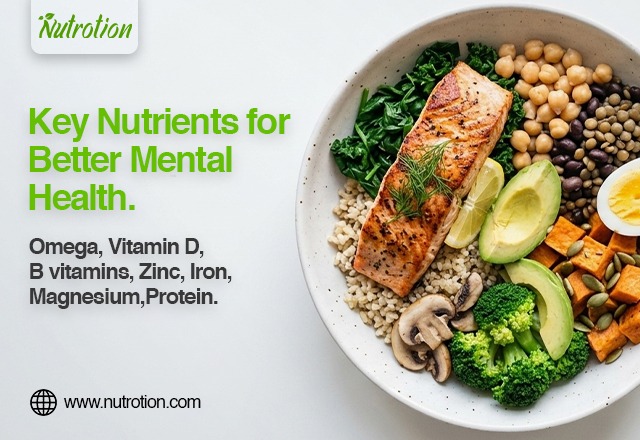
When people ask about nutrition and mental health, I always point them toward a handful of key nutrients that make an outsized difference:
- Omega-3 fatty acids – build brain structure and calm inflammation
- Vitamin D – tied closely to mood, especially when the days get shorter
- B vitamins – help your body actually produce serotonin and dopamine
- Magnesium – takes the edge off a wired nervous system and helps you sleep
- Zinc – supports brain signaling and has been linked to lower anxiety
- Iron – keeps fatigue and brain fog at bay
- Protein – supplies the raw material your brain needs to make mood chemicals. Here are High-Protein Vegetables That Are Just as Nutritious as Eggs
None of these require a complicated diet overhaul. Just being aware of them is half the battle for better nutrition and mental health.
Best Foods for Brain Health
If you’re trying to eat in a way that supports brain health, you don’t need anything exotic. These everyday foods do the heavy lifting:
- Fatty fish
- Leafy green vegetables
- Eggs
- Nuts and seeds
- Berries
- Whole grains
- Avocados
- Dark chocolate
- Beans and lentils
- Green tea
They’re packed with antioxidants, healthy fats, and slow-burning energy that keeps your brain running steady instead of crashing by mid-afternoon, which, again, comes right back to that nutrition and mental health connection.
Foods That Can Harm Mental Health
On the flip side, some foods quietly chip away at your mental well-being. It’s worth keeping an eye on:
- Sugary drinks
- Processed foods
- Refined carbohydrates
- Fast food
- Excess alcohol
- Too much caffeine
- Trans fats
These tend to spike inflammation, crash your blood sugar, and mess with your sleep, a combination that can leave anxiety and low mood feeling worse than they need to.
Lifestyle Habits That Improve Mental Wellness
To improve your nutrition and mental health must follow these steps
- Always eat balanced meals
- Never skip breakfast
- Always stay hydrated
- Eat more fruits and vegetables
- Include healthy fats
- Reduce processed foods
- Practice mindful eating
Lifestyle Habits That Improve Mental Wellness
Nutrition works best alongside a few other basics:
- Do regular exercise
- Alway take good sleep
- Stress management
- Do Meditation and mindfulness
- Always spend time outdoors
- Staying socially connected
Can Eating Better Really Help With Anxiety and Depression?
There’s real research behind this. Diets built around whole foods, like the Mediterranean diet, are linked to noticeably lower rates of depressive symptoms.
Foods like fatty fish, leafy greens, and fermented foods seem to help by supporting both brain health and the gut-brain connection. That said, food isn’t a substitute for therapy or medication; think of good nutrition and mental health habits as a powerful teammate to professional treatment, not a replacement for it.
Final Thoughts
At the end of the day, the link between nutrition and mental health isn’t something to brush off — it’s real, it’s backed by research, and it’s something you have real control over. You don’t have to fix your whole diet overnight. Just add one more vegetable today. Drink a bit more water. Don’t skip breakfast tomorrow. Small, steady choices around nutrition and mental health add up to something bigger over time — a clearer mind, a steadier mood, and a better relationship with food altogether.