
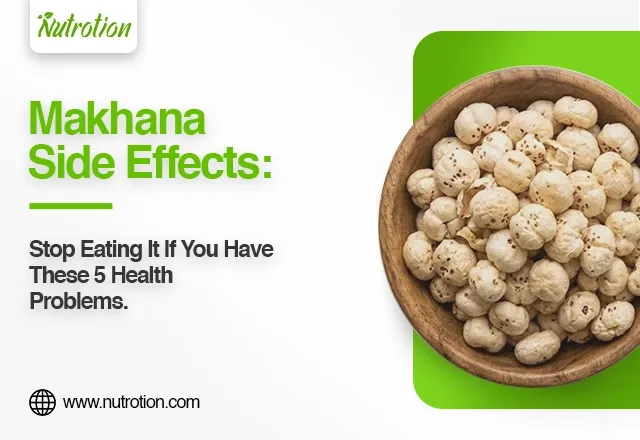
Makhana, also known as fox nuts or lotus seeds, is widely considered a healthy snack because it is light, nutritious and easy to include in the daily diet. However, it may not be suitable for everyone. Certain people may experience digestive discomfort, allergic reactions or other issues depending on their health condition and how much makhana they consume.
Before making makhana a regular part of your diet, it is important to understand how your body responds to it and whether you have any existing health concerns.
People With Digestive Problems Should Be Careful
Makhana contains carbohydrates and fibre, which may be difficult to digest for some people. Those who frequently experience gas, bloating or constipation may notice increased digestive discomfort after eating large quantities.
Eating heavily roasted makhana with plenty of spices may further aggravate digestive symptoms in some individuals. If you experience discomfort after eating it, reducing the quantity or avoiding it for a while may be helpful.
People With Low Blood Pressure
Makhana is often included in healthy diets because of its nutritional profile. However, people who already have low blood pressure should be cautious about consuming it regularly if they notice symptoms such as dizziness, weakness or fatigue.
If you have naturally low blood pressure or take medication for blood pressure, speak with a healthcare professional before making makhana a daily snack.
People With Food Allergies
Although allergic reactions to makhana are uncommon, sensitive individuals may experience symptoms after consuming it.
Possible symptoms can include:
- Itching
- Skin rashes
- Nausea
- Swelling
- Breathing difficulty
If you develop an unusual reaction after eating makhana, stop consuming it and seek appropriate medical advice. People with a history of food allergies should introduce any unfamiliar food cautiously.
People With Kidney Problems
People with chronic kidney disease may need to monitor their intake of certain minerals, including potassium and phosphorus, depending on their individual condition and prescribed diet.
Since dietary requirements can vary significantly among people with kidney problems, makhana should not be consumed regularly in large quantities without professional advice. Anyone following a renal diet should discuss suitable portion sizes with a doctor or registered dietitian.
People Eating Too Much Makhana for Weight Loss
Makhana is often promoted as a healthy snack for people trying to lose weight. However, eating large amounts does not automatically lead to better weight-loss results.
Overconsumption can contribute to digestive discomfort, particularly when makhana is eaten frequently without enough variety in the overall diet. It is also important not to depend on makhana as a replacement for balanced meals containing adequate protein, healthy fats, vegetables and other nutrient-rich foods.
Portion control and a varied diet are more important for sustainable weight management.
How Much Makhana Should You Eat?
There is no single portion size that is suitable for everyone. Your ideal intake depends on your overall diet, health condition, calorie requirements and how your body responds to makhana.
A moderate serving can generally be included as part of a balanced diet, but eating large quantities every day is unnecessary. If you have an existing medical condition or follow a restricted diet, consult a healthcare professional for personalised advice.
Makhana Is Healthy, But Not Suitable for Everyone
Makhana can be a convenient snack, but calling it a superfood does not mean that everyone should eat it without considering their individual health needs. People with digestive issues, food allergies, kidney-related dietary restrictions or certain other health conditions may need to limit their intake.
The safest approach is to eat makhana in moderation and pay attention to how your body responds. If you experience persistent or severe symptoms after eating it, consult a healthcare professional rather than continuing to consume it.