High blood pressure is one of those health problems that can quietly build up over time. You may feel completely fine while your blood pressure is giving extra strain on your heart and blood vessels. The good news is that everyday choices, including what you put on your plate, can make a difference.
A healthy diet can work alongside regular exercise, weight management and prescribed medication to support better blood pressure control. Fruits are especially useful because they provide potassium, fibre, vitamins and antioxidant plant compounds. The American Heart Association notes that potassium can help counter the effects of sodium and support healthy blood pressure.
If you’re looking for fruits for lower blood pressure, here are four easy options to add to your routine. Just remember: fruit can support your health, but it isn’t a replacement for blood-pressure medication or medical care.
Why Potassium and Fibre Matter for Blood Pressure
Potassium is particularly important because it helps the body deal with sodium and can help relax blood vessel walls. Fibre, meanwhile, is part of an overall heart-friendly eating pattern and can support cardiovascular health. This is one reason the DASH eating plan recommends plenty of fruits, vegetables, whole grains and other nutrient-rich foods while limiting excess sodium, added sugars and saturated fat.
Antioxidants and other plant compounds found in fruits may also support healthy blood vessels. However, no single food can instantly bring down your blood pressure. Think of fruit as one useful piece of a bigger picture.
4 Best Fruits for Lower Blood Pressure
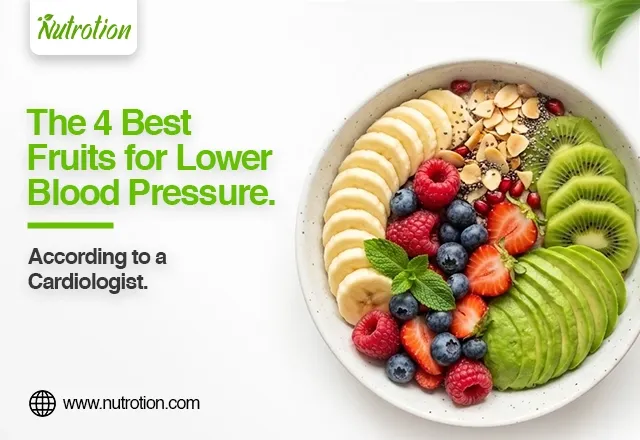
Here are the 4 best fruits you can take for lower blood pressure:
- Bananas: An Easy Potassium-Rich Choice
Bananas are probably one of the simplest potassium-rich fruits to add to your diet. A medium banana provides roughly 450 mg of potassium, making it an easy way to include more of this important mineral.
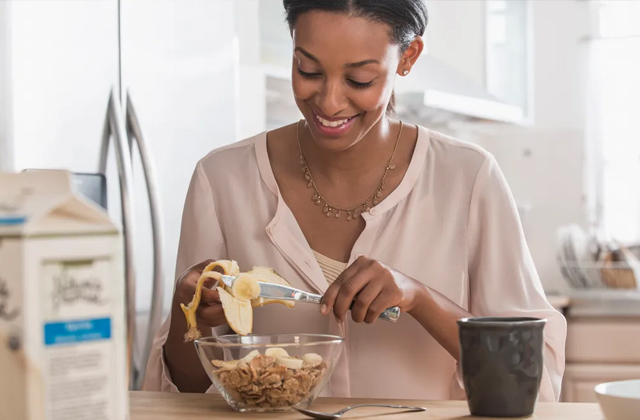
The best part? You don’t need an elaborate recipe. Slice a banana over oats, mix it into plain yoghurt or simply eat it as a quick afternoon snack.
For people searching for fruits that lower blood pressure, bananas are a practical choice because they’re affordable, widely available and easy to eat regularly. For more ideas about adding nutrient-dense produce to your meals, you can also explore Top 5 Best Fruits for Weight Loss. One important caution: people with kidney disease or certain medical conditions may need to limit potassium. Always check with your doctor before increasing potassium intake.
- Berries: Rich in Antioxidants
Strawberries, blueberries, raspberries and blackberries are another smart addition to a heart-conscious eating pattern. They provide fibre and a range of antioxidant plant compounds, including anthocyanins, which are being studied for their potential role in cardiovascular and vascular health. You can add fresh or frozen berries to oatmeal, plain yoghurt, smoothies or salads. They’re also a much better everyday choice than desserts loaded with added sugar.
If you’re exploring the best fruits for high blood pressure, berries are worth including because they add variety without requiring major changes to your meals. For another look at the nutritional value of different fruits, check out Top 10 Vitamin-Rich Fruits for a Healthy Diet.
- Oranges and Other Citrus Fruits
Oranges, tangerines, grapefruit and sweet lime can easily fit into a heart-friendly diet. Citrus fruits provide vitamin C, potassium and various plant compounds, while whole fruit also provides fibre.
When possible, eat an orange rather than drinking orange juice. Whole fruit is more filling and gives you the fibre that is reduced or absent in many juice products. The American Heart Association also notes that juice is less filling than whole fruit and may provide less fibre.
These are among the most convenient fruits for hypertension because they work equally well as breakfast additions or afternoon snacks. If you enjoy naturally hydrating foods, you can also read Why Watery Fruits are Your Summer BFFs? for more fruit ideas.
One caution: grapefruit can interact with certain prescription medicines. If you take regular medication, ask your doctor or pharmacist whether grapefruit is safe for you.
- Kiwi: A Small Fruit With Heart-Healthy Nutrients
Kiwi may be small, but it packs plenty of nutritional value. It provides potassium, fibre, vitamin C and antioxidant compounds, making it a useful addition to a balanced diet. There is also some research specifically looking at kiwi and blood pressure. In a randomized study involving adults with moderately elevated blood pressure, eating three kiwifruits daily for eight weeks was associated with lower 24-hour systolic and diastolic blood pressure compared with the control group.
That doesn’t mean kiwi is a treatment for hypertension, but it is one of the fruits for lower blood pressure that can comfortably fit into a healthy eating pattern. Eat it on its own, add it to yoghurt or toss sliced kiwi into a breakfast bowl. Variety matters more than relying on one so-called “superfruit.”
How to Add These Fruits to a Blood-Pressure-Friendly Diet
Making healthier choices doesn’t have to mean completely changing your meals. Start with combinations that are easy to repeat:
- Banana + oats
- Berries + unsweetened yoghurt
- Orange + a handful of unsalted nuts
- Kiwi + a breakfast bowl
Whole fruit is generally preferable to juice because it provides more fibre and tends to be more filling. Be careful with smoothies, flavoured yoghurt and packaged fruit products that may contain added sugar.
These fruits work best alongside other foods for lower blood pressure, such as vegetables, whole grains, beans, unsalted nuts and low-fat dairy. A heart-friendly eating pattern should also keep excess sodium in check. For more fruit-focused nutrition ideas, see Add These 7 Green Fruits & Veggies To Your Daily Diet.
Lifestyle Changes That Support Healthy Blood Pressure
Here are some tips that you can follow to maintain a healthy lifestyle
- Reduce sodium: Do not eat salty foods or junk food
- Stay active: Regular physical activity keeps you active and fit.
- Maintain a healthy weight: Even modest weight management can support healthier blood pressure.
- Limit alcohol: Keep alcohol intake within recommended limits.
- Manage stress: Try walking, breathing exercises, meditation, or other relaxing activities to stay stress-free.
- Sleep well: Good-quality sleep can improve your health. Always try to sleep on time
- Take prescribed medication: If your doctor has prescribed blood-pressure medicine, take it as directed.
- Think overall: Always maintain a balanced lifestyle; it works better than only individual fruits that lower blood pressure.
FAQs
- How to lower BP in 10 minutes?
Sit quietly, breathe slowly, and relax for a few minutes before checking your blood pressure again.
- How to reduce BP in 2 days?
Cutting back on salt, eating a balanced diet, staying active, and taking prescribed medication can help support healthier blood pressure.
- Are eggs bad for high blood pressure?
No, eggs can generally be part of a healthy diet; just pay attention to how they’re prepared and what you eat with them.
- What are the top 3 causes of high blood pressure?
Common factors include too much sodium, physical inactivity, excess weight, and genetics, although several other factors can contribute.
- What should I eat if my BP is high?
Choose more fruits, vegetables, whole grains, beans, nuts and low-fat dairy, while limiting salty and highly processed foods.
Final words
Bananas, berries, citrus fruits and kiwi are simple, tasty ways to add more potassium, fibre and antioxidants to your daily diet, but there’s no need to rely on one “superfruit” for better heart health. A mix of whole fruits, vegetables, whole grains and lower-sodium foods is a much better approach. For more ideas on getting essential nutrients from fruit, check out Top 10 Vitamin-Rich Fruits for a Healthy Diet. And remember, fruits for hypertension can be part of a healthy eating plan, but they aren’t a substitute for prescribed treatment or your doctor’s advice.