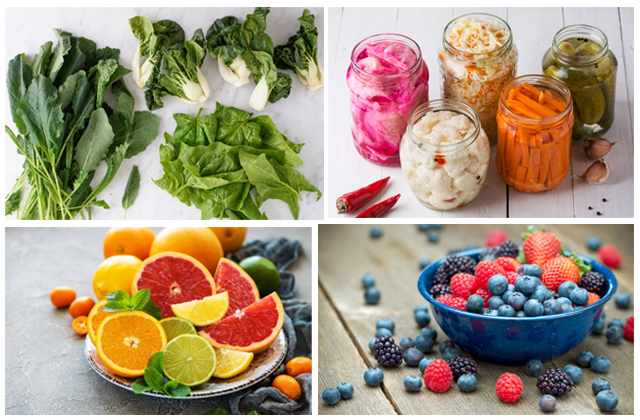
Cooler mornings, golden evenings, and markets full of colourful produce make healthy eating feel almost effortless in fall. If you want to eat well this season, healthy fall foods are the perfect place to start. Seasonal fall fruits and vegetables are usually fresher, tastier, and kinder to your budget.
They also bring plenty of fibre, vitamins, and minerals to your everyday meals. Whether you call them healthy autumn foods or simply comfort food for cooler days, they all deserve a spot on your plate. In this post, you’ll learn about fall foods and their health benefits, along with easy ways to cook and enjoy each one. There are no complicated recipes here, just simple ideas you can try this week.
Why Should You Eat Seasonal Foods in Fall?
Seasonal produce is grown and harvested when it naturally thrives, so it’s often picked closer to ripeness. That usually means better taste, better texture, and a good dose of nutrients. Eating with the seasons also keeps your meals interesting, which is a nice break if you’ve fallen into eating the same food every day. Different fruits and vegetables offer different vitamins, minerals, and plant compounds. A plate with orange pumpkin one day and dark green sprouts the next covers a lot more nutritional ground.
Here are a few tips for picking fresh, affordable, healthy fall foods:
- Shop at local markets or nearby farms when you can, since produce that travels less is often fresher.
- Choose fruits and vegetables that feel firm and heavy for their size, with bright colour and no soft spots.
- Buy smaller amounts more often so nothing goes to waste.
- Keep frozen fruits and vegetables handy for times when fresh ones are expensive or hard to find.
10 Healthy Fall Foods to Add to Your Diet
Here are 10 of the best fall foods to bring home this season. These nutritious fall foods are easy to find, simple to cook, and full of goodness.
- Pumpkin
Pumpkin is rich in beta-carotene, which your body can turn into vitamin A. It also provides fibre, potassium, and some vitamin C, all with relatively few calories.
The easiest way to enjoy it is in a warm soup or roasted with a little olive oil and your favourite spices. You can also add cubes to curries, mash it into a simple side dish, or toast the seeds for a crunchy snack. Just go easy on sugary pumpkin lattes and desserts if you’re eating it for health.
- Apples
Apples are a classic among healthy autumn foods, and for good reason. They give you fibre, vitamin C, and plant antioxidants, especially in the skin, so try to eat them unpeeled.
Slice one and pair it with peanut butter or a few nuts for a filling snack. You can also bake apples with a sprinkle of cinnamon, or grate one into your morning oats for natural sweetness.
- Sweet Potatoes
Sweet potatoes are packed with beta-carotene, fibre, potassium and vitamin C. They’re filling, naturally sweet and very versatile.
Roast wedges in the oven for a crispy side, bake them whole and top with yoghurt and herbs, or mash them with a little black pepper and olive oil. Keeping the skin on adds extra fibre.
- Brussels Sprouts
Brussels sprouts are a good source of vitamin C, vitamin K, folate and fibre. If you’ve never been a fan, the way you cook them makes a big difference.
Halve them, toss with olive oil and salt, and roast at a high temperature until the edges turn golden and crisp. Steaming for a few minutes works well too. Try not to overcook them, since that’s what gives sprouts a bad name.
- Pears
Pears are a juicy source of fibre, which supports healthy digestion. They also provide vitamin C and potassium, and most of the fibre sits in the skin.
Enjoy a ripe pear as a quick snack, slice it over porridge or yoghurt at breakfast, or add thin pieces to a salad with some nuts. It’s an easy way to satisfy a sweet craving. If you want more fruit ideas, take a look at these 10 vitamin-rich fruits.
- Cranberries
Cranberries are known for their vitamin C and beneficial plant compounds. They’re naturally tart, which is why many packaged versions are loaded with sugar. Look for fresh or unsweetened options when you can. Simmer them into a homemade sauce with a little sweetener, stir them into oats or muffin batter, or toss a few into a grain salad for a bright, tangy bite.
- Butternut Squash
Butternut squash offers beta-carotene, vitamin C, potassium and fibre. Its soft, slightly sweet flavour makes it very easy to like. Blend it into a creamy soup, roast the cubes and add them to salads, or serve them with lentils or chickpeas for a balanced meal. It works just as well on a busy weeknight as it does on a festive table.
- Pomegranates
Pomegranate seeds are rich in antioxidants and offer some fibre, along with vitamin C and vitamin K. They also add a lovely pop of colour to almost any dish. Sprinkle them over salads, stir them into yoghurt or raita, or add them to a breakfast bowl with oats and nuts. A small handful goes a long way.
- Walnuts
Walnuts provide healthy fats, plant protein and fibre. They’re also a good plant source of omega-3 ALA, which makes them a smart addition to a balanced diet. A small handful makes a great snack on its own. You can also chop them over porridge, salads or roasted vegetables for extra crunch. Since nuts are calorie-dense, a small portion is plenty.
- Mushrooms
Mushrooms contain B vitamins and minerals such as potassium and selenium. Some varieties also provide vitamin D if they’ve been exposed to sunlight or UV light. Sauté them with garlic and herbs, add them to a hearty soup, toss them into a stir-fry, or stuff large ones with vegetables and bake. They bring a rich, savoury flavour without much effort.
How to Include More Healthy Fall Foods in Your Daily Diet
You don’t need fancy recipes or a full kitchen makeover. A few small habits can make seasonal eating feel natural.
- Plan balanced meals with seasonal produce: Try filling about half your plate with vegetables or fruit, then add some protein and whole grains. A bowl of roasted squash, chickpeas, and brown rice, for example, covers a lot of ground. If you’d like more structure, a balanced diet plan can help you pull it all together.
- Choose healthier cooking methods: Roasting, steaming, baking, and light sautéing keep food tasty without needing much oil. Try a few healthy fall recipes each week and see what your family enjoys most.
- Prepare simple snacks: Apple slices with nuts, a pear with yoghurt, or a handful of walnuts and pomegranate seeds are quick to put together and far better than packaged snacks.
- Reduce excess added sugar and salt: Pumpkin, cranberries, and apples often end up in very sweet treats, and even wholesome produce loses its edge when it’s buried in sugar or salt. Let the natural flavour shine, and use spices like cinnamon, cumin, or black pepper instead.
Once you know which healthy fall foods work for you and understand fall foods and their health benefits, building meals around them gets much easier.
Bottom Line
Fall is a great time to refresh your plate, and it doesn’t have to be complicated. With so many colourful options around, it’s easy to add more fibre, vitamins and minerals to your meals. You now know which healthy fall foods to eat, from pumpkin and apples to walnuts and mushrooms, and how to prepare each one in simple, tasty ways. You don’t have to try everything at once, so pick a few favourites, test some healthy fall recipes, and see what works for you.
Small changes add up over time, and the best fall foods are the ones you’ll happily eat again and again. If you’re looking for more ways to power up your health, this is a great place to start. Here’s one easy tip to begin with: each week, choose one new seasonal fruit or vegetable and add it to at least two meals. Before long, healthy fall foods will be a natural part of your routine.
FAQs
What are the healthiest foods to eat in fall?
There’s no single winner, but pumpkin, sweet potatoes, apples, walnuts, and Brussels sprouts all offer plenty of nutrition. The best healthy fall foods to eat are the ones you enjoy and will actually eat regularly, so aim for a mix of colours across the week.
Which fall fruits are the most nutritious?
Apples, pears, pomegranates and cranberries are all excellent choices. Apples and pears are good sources of fibre, pomegranates bring antioxidants, and cranberries offer vitamin C. Eating a variety is better than relying on just one.
What vegetables are in season during fall?
Seasonal fall fruits and vegetables vary by region, but pumpkin, butternut squash, sweet potatoes, and Brussels sprouts are common picks. Mushrooms are also widely enjoyed at this time of year. They’re technically fungi, but most people cook them like vegetables.
Are fall foods good for weight management?
Many of them can help. Fruits and vegetables like apples, pears, and pumpkin contain fibre and water, which can help you feel full. Portion sizes and cooking methods still matter, so choose roasted or steamed options over fried or sugary ones. Even nutritious fall foods like walnuts are best enjoyed in small amounts. For more low-fat ideas, see these 10 fat-free powerhouses.
How can I eat seasonal foods on a budget?
Buy what’s in season, since it’s usually cheaper and fresher. Shop at local markets, buy in bulk when prices are low, and cook in batches so nothing goes to waste. Frozen fruits and vegetables are a handy, budget-friendly backup too.
Everything is the same as your version except the five links, each worked into a sentence where it fits:
- Eat the same food every day: the seasonal foods intro
- 10 vitamin-rich fruits: the Pears section
- A balanced diet plan: the first tip in “How to Include More”
- Power up your health: the Bottom Line
- 10 fat-free powerhouses: the weight management FAQ
I wrote the anchor text from the URLs and haven’t opened the pages, so check each link works and that the sentence around it matches what the page is about. Your keyword usage is unchanged, because none of the added text contains “healthy fall foods”.